

TAKE ACTION TODAY

Individuals: Urge Congress to Stop the SNAP Cost Shift
Email Your Senators
Individuals: Urge Your Members to Cosponsor the Universal School Meals Program Act
Email Your Members of Congress
Individuals: Urge Your Members of Congress to Stop the Reorganization of the USDA Food and Nutrition Service
Email Your Members of Congress
Individuals: Send a Letter to the Editor to Your Local Paper
Tell Your Community Why SNAP Matters
Individuals: Urge Your Members of Congress to Cosponsor the Stop Child Hunger Act
Email Your Members of Congress
Individuals: Urge Congress to Reinstate USDA's Food Security Report
Email Your Members of Congress
Individuals: Urge Your Members of Congress to Modernize and Fully Fund WIC
Email Your Members of Congress

October Recess: Urge Congress to Stop the SNAP Cost Shift
The partisan Farm Bill recently advanced out of the Senate Agriculture Committee only delays the Supplemental Nutrition Assistance Program (SNAP) benefit cost shift to states by one year while also including a harmful, permanent increase in future payments for some states from the current 15 percent to 20 percent. Democrats on the Committee continue to demand at least a two-year no-cost delay.
Millions of people have already lost access to SNAP since the budget reconciliation law, H.R. 1, was enacted last July. The situation continues to worsen as the impact of the time limits takes hold in more states; all states must increase their administrative payments from 50 to 75 percent; and states begin to grapple with, for the first time, the benefit cost share, which kicks in October 2027. With little time to prepare and already strained budgets, states will be forced as early as January 2027, to cut programs and services such as transportation, education, or food assistance — or leave SNAP altogether (see Congressional Budget Office estimates).
Take Action: Continue to urge your Members of Congress to use any legislative vehicle during the lame duck session to stop — or at a minimum, secure a two-year no-cost delay of — the SNAP cost shift to states. Ask them to press party leaders to make this fix a top priority during the Lame Duck session.
Use these FRAC resources to support your advocacy:
- Use the new FRAC Action Network to urge your Members of Congress to make the cost shift delay a top priority in the lame duck session.
- Read the blog and fact sheet about the House and Senate Farm Bills and key H.R. 1 policies that need to be reversed.
- Share FRAC’s SNAP Participation Data Dashboard for the most recent national and state-level data on the millions of people who have lost SNAP since H.R. 1 was enacted in July 2025.
- Raise awareness with FRAC’s digital toolkit.
- Submit a letter to the editor to your local paper about the importance of SNAP.
For help with your advocacy with your Members of Congress, contact Tim Klipp-Lockhart, TKlipp-Lockhart@frac.org, and for information on SNAP, contact Gina Plata-Nino, gplata-nino@frac.org.
Congress Returns
August’s continuing resolution (CR) includes critical spending flexibility to allow the Special Supplemental Nutrition Program for Women, Infants, and Children (WIC) to provide advance funding to serve anticipated caseloads through the CR’s expiration on Dec. 11. The bill does not permanently authorize WIC’s flexible service options. Congress must still pass a full-year fiscal year (FY) 2027 Agriculture Appropriations bill that includes full funding for WIC benefits and services in addition to permanent flexible service options. Appropriations Committee Chairwoman Susan Collins (R-ME) has indicated her intent to advance a spending minibus as early as next Thursday that would include agriculture funding, but that will depend on Sen. Mitch McConnell’s (R-KY) return.
Advocates should continue documenting the impact of H.R. 1’s SNAP cuts and urge Congress to use every available legislative option to reverse the cuts, protect SNAP benefits, and prevent costs from shifting to states. Read the blog and fact sheet about the recently failed Farm Bill proposal and key H.R. 1 policies that should be reversed.
- Submit a letter to the editor to your local paper about the importance of SNAP.
Tell Your Senators: Support Families and Farmers, Restore Critical SNAP Funding
Use the FRAC Action Network to urge Senate leadership to proceed with legislation that provides much-needed family and farm relief by passing a Farm Bill or farm relief package that reverses the devastating cuts and other harmful changes to the Supplemental Nutrition Assistance Program (SNAP) that were included in the budget reconciliation law, H.R. 1. Reject the approach taken by the House, which recently passed a Farm Bill that failed to provide any reversal of the devastating SNAP cuts.
FRAC Condemns House Passage of Flawed Farm Bill
The Food Research & Action Center (FRAC) is deeply troubled that the House of Representatives passed a Farm Bill (224–200) that fails to reverse the $187 billion in Supplemental Nutrition Assistance Program (SNAP) cuts enacted under the budget reconciliation law, H.R. 1. This vote is especially concerning given that some Democrats who opposed reconciliation due to these cuts ultimately supported this Farm Bill.
Leave Behinds for the 2026 FRAC National Anti-Hunger Policy Conference
- Legislative Priorities to Protect the Supplemental Nutrition Assistance Program (SNAP)
- Creating a Healthier Future by Protecting and Strengthening the Child Nutrition Programs
- Fiscal Year 2027 Budget and Appropriations Priorities for Food and Nutrition Programs
- SNAP Cost-Shifts Will Increase Hunger, Strain State Budgets, and Deepen Economic Risk
- Table: Economic Strain and New SNAP Cost-Shifts Under H.R. 1 Across All States
Urge Your Members of Congress to Cosponsor the Universal School Meals Program Act
Urge your Members to join the growing number of cosponsors on the Universal School Meals Program Act (S. 4518/H.R. 8798). This bill would create permanent nationwide Healthy School Meals for All, increase reimbursement rates for school meals, end lunch shaming, reimburse schools for meal debt, provide incentives for local food procurement, expand summer meal access, and expand the Child and Adult Care Food Program.
Urge Your Members of Congress to Cosponsor the Stop Child Hunger Act
Ask your Members of Congress to cosponsor the Stop Child Hunger Act (S. 1622/H.R. 3217). This bill increases Summer EBT Program benefits for families, provides benefits during school breaks and unexpected closures, phases in the 50 percent administrative match for states, and provides funding for state implementation grants. Summer is the hungriest time of year for many children, underscoring the need to expand access to the Summer EBT Program.
Advocacy Needed to Reinstate USDA’s Food Security Report
The U.S. Department of Agriculture (USDA) has announced that, after this year, it will no longer release the Economic Research Service (ERS) Household Food Security report, the gold standard for measuring hunger in America. This decision silences the evidence we need to hold policymakers accountable and threatens to deepen America’s hunger crisis.
Take Action:
Individuals – Use the FRAC Action Network to urge your Members of Congress to reach out to USDA and demand it reinstate the ERS Household Food Security report.
Explore FRAC’s Budget Reconciliation Resources
Find statements, press releases, FRAC Chat blogs, bill analysis, interactive data tools, and more.
- 2025 Budget Reconciliation: Oppose Cuts to the Federal Food and Nutrition Programs
- Creating a Healthier Future by Protecting and Strengthening the Child Nutrition Programs
- Creating a Healthier Future by Protecting and Strengthening the Supplemental Nutrition Assistance Program (SNAP)
- Fiscal Year 2026 Budget and Appropriations Priorities for Food and Nutrition Programs
-
-
Visit Farm Bill 2025 for all Farm Bill legislation and actions.
-
Visit Budget, Reconciliation & Appropriations for all relevant legislation and actions.
-
Visit our Healthy School Meals for All (HSMFA) microsite for all HSMFA legislation and actions.
-
Visit FRAC’s Bills We’re Supporting page for additional priorities for families struggling against hunger.
-
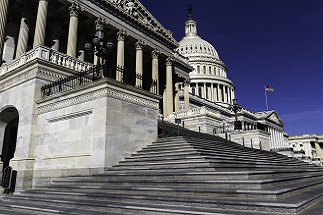
Budget Reconciliation 101
Curious about Budget Reconciliation? Unsure about the process or special rules to look out for? Explore this three-page report that explains what you need to know.

Sign Up for the FRAC Action Network!
Urge your Representatives to support and strengthen the Federal Nutrition Programs. Learn about the latest opportunities for action by signing up for the FRAC Action Network. Hungry people can’t wait.
Take Action

Organize a Site Visit
Read More
Recent Publications & Data
See More Resources- Fact Sheet
FRAC’s one-stop resource equips elected officials and candidates with the facts about hunger in America and the solutions needed to end it.
Read the report - Fact Sheet
Healthy School Meals for All policies have expanded access to free school meals for millions of children. At the same time, school meal applications remain an important source of data that helps connect families to benefits and supports funding for schools and communities. Learn why applications matter for schools and families in FRAC’s new resource.
Read the fact sheet - Fact Sheet
Is hunger hiding in your classroom? This resource from FRAC and the American Federation of Teachers helps educators close the gap by connecting students to the federal nutrition programs.
Read the fact sheet - Fact Sheet
SNAP is a critical support for older adults, but SNAP churn — when households temporarily lose benefits and reapply within 90 to 120 days — contributes to the SNAP gap among this population. Explore FRAC and AARP Foundation’s new SNAP Churn fact sheets to learn how this proven federal nutrition program helps eligible older adults afford groceries and discover ways to reduce churn.
Explore the fact sheets
News
FRAC Chat
Adequate nutrition is essential to children’s growth, learning, and long-term well-being, and school meal programs, which serve nearly 30 million children each school day, are one of our nation’s most powerful tools for improving nutrition, supporting academic achievement, and advancing children’s health. For many children, school breakfast and lunch are the healthiest and most reliable meals they receive each day. Therefore, expanding access to and supporting the quality of school meals are critical investments in our nation’s children.
Across the country, states are wrapping up another year of Summer EBT. Since the program began in 2024, millions of families have received this benefit that helps provide children much-needed nutrition during the summer months.
October 1, 2026, marked the start of a new federal fiscal year — FY 2027 — and with it, the beginning of one of the major changes to the Supplemental Nutrition Assistance Program (SNAP) included in the 2025 budget reconciliation law, H.R. 1: the SNAP administrative cost shift.